blossom honey
$52.06At this stage of its refinement the water content of the honey is high enough that ubiquitous yeast spores can reproduce in it, a process which, if left unchecked, would rapidly consume the new honey’s sugars

Showing all 10 results
At this stage of its refinement the water content of the honey is high enough that ubiquitous yeast spores can reproduce in it, a process which, if left unchecked, would rapidly consume the new honey’s sugars

Honey is sometimes adulterated by the addition of other sugars, syrups, or compounds to change its flavor or viscosity, reduce cost, or increase the fructose content to inhibit crystallization. Adulteration of honey has been practiced since ancient times, when honey was sometimes blended with plant syrups such as maple, birch, or sorghum and sold to customers as pure honey.
The honeycomb is removed from the hive and the honey may be extracted from it either by crushing or by using a honey extractor. The honey is then usually filtered to remove beeswax and other debris.
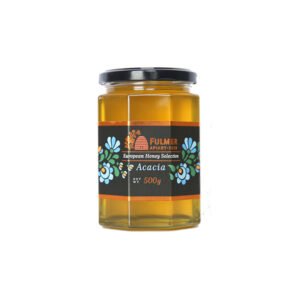

Honey is produced by bees who have collected nectar or honeydew.
The honeycomb is removed from the hive and the honey may be extracted from it either by crushing or by using a honey extractor. The honey is then usually filtered to remove beeswax and other debris.

honey and replace the entire colony the next spring. Since the invention of removable frames, the principles of husbandry led most beekeepers to ensure that their bees have enough stores to survive the winter, either by leaving some honey in the beehive or by providing the colony with a honey substitute such as sugar water or crystalline sugar.
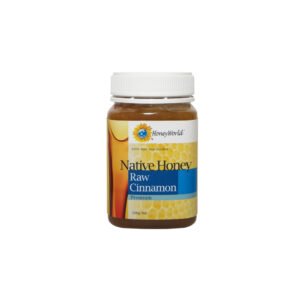
Honey bees are not the only eusocial insects to produce honey. All non-parasitic bumblebees and stingless bees produce honey. Some wasp species, such as Brachygastra lecheguana and Brachygastra mellifica, found in South and Central America, are known to feed on nectar and produce honey.
Honey is made and stored to nourish bee colonies. Bees produce honey by gathering and then refining the sugary secretions of plants or the secretions of other insects, like the honeydew of aphids.
The husbandry of bees is known as beekeeping or apiculture, with the cultivation of stingless bees usually referred to as meliponiculture. Honey is produced by bees who have collected nectar or honeydew.
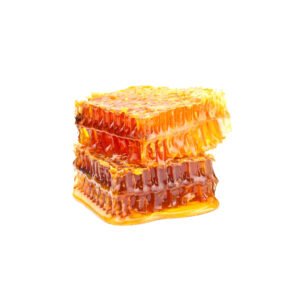
Honey is sometimes adulterated by the addition of other sugars, syrups, or compounds to change its flavor or viscosity, reduce cost, or increase the fructose content to inhibit crystallization.
End of content
End of content