Our Products and Packaging
Glass Jars vs Food-Grade Plastic Bottles
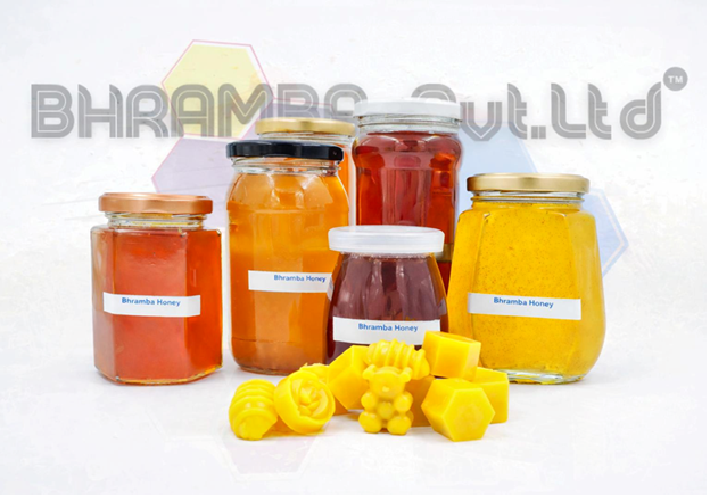
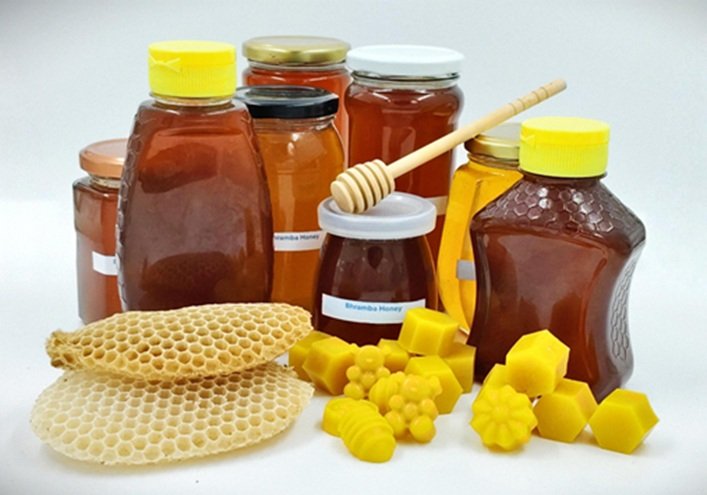
For international markets, packaging plays a key role in preserving honey quality, meeting regulations, and creating buyer confidence. Both glass jars and food-grade plastic bottles are used in honey exports, depending on market preference and application. Glass jars are widely preferred in premium export markets due to their non-reactive nature. They help maintain honey’s original taste, aroma, and nutritional value during long transit periods. Glass packaging gives a premium appearance, making it suitable for raw, organic, and specialty honey. It is also recyclable and environmentally friendly, which aligns well with sustainability requirements in many countries.
Food-grade plastic bottles are commonly used for bulk and price-sensitive export markets. They are lightweight, shatter-proof, and reduce freight and handling costs. When BPA-free and certified food-grade plastic is used, it safely preserves honey quality and complies with international food safety standards.
Plastic packaging is especially suitable for large-volume shipments and private-label supply. In conclusion, glass jars are ideal for premium retail and value-added honey exports, while food-grade plastic bottles are a practical solution for bulk exports and cost-efficient distribution. The final choice depends on the destination market, buyer requirements, and positioning of the product.
Benefits of Keeping Honey in Food-Grade Buckets
Using food-grade buckets for storing honey is one of the safest and most practical options, especially for bulk storage and export.
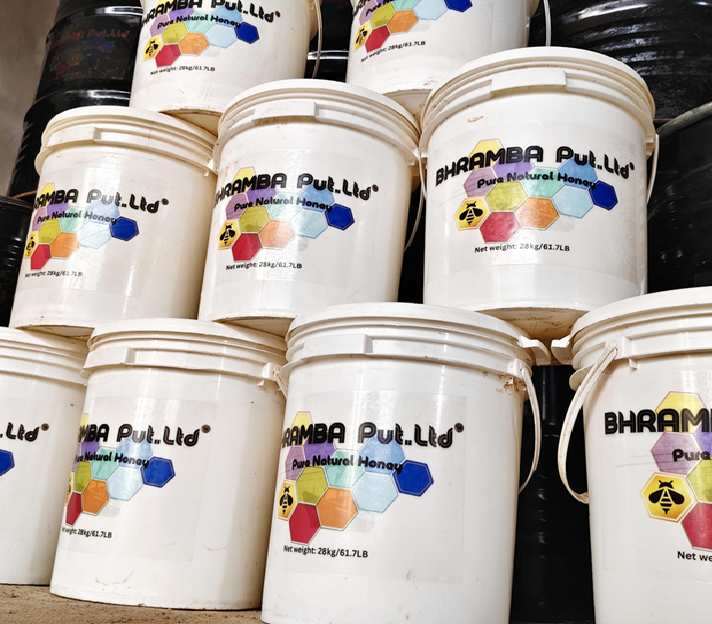
Food-grade buckets are made from materials that are safe for direct contact with food. They do not release harmful chemicals or react with honey, which helps maintain its natural taste, aroma, and quality. Since honey is slightly acidic, using the right container is very important to avoid contamination.
These buckets are hygienic and easy to clean. When properly sealed, they protect honey from moisture, dust, insects, and other external contaminants. This reduces the risk of fermentation and spoilage, keeping the honey fresh for a longer time.
Food-grade buckets are also strong and lightweight, making them ideal for storage and transportation. They are easy to handle, stack, and transport, which helps reduce damage and transportation costs compared to glass or metal containers.
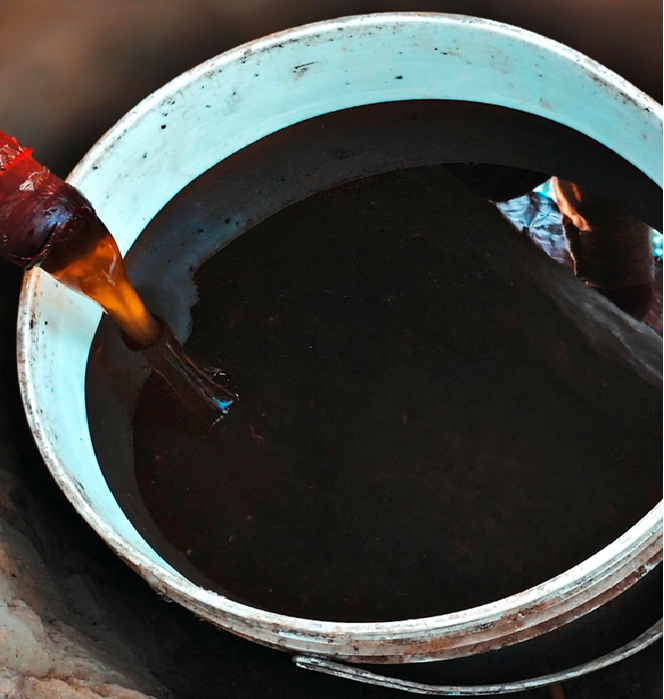
Food-grade buckets are made from materials that are safe for direct contact with food. They do not release harmful chemicals or react with honey, which helps maintain its natural taste, aroma, and quality. Since honey is slightly acidic, using the right container is very important to avoid contamination.
These buckets are hygienic and easy to clean. When properly sealed, they protect honey from moisture, dust, insects, and other external contaminants. This reduces the risk of fermentation and spoilage, keeping the honey fresh for a longer time.
Food-grade buckets are also strong and lightweight, making them ideal for storage and transportation. They are easy to handle, stack, and transport, which helps reduce damage and transportation costs compared to glass or metal containers.
Another advantage is cost. Food-grade plastic buckets are more affordable than stainless steel or glass and can be reused after proper cleaning. They are also recyclable, making them an environmentally friendly option.
Because of these benefits, food-grade buckets are widely accepted by honey buyers, processors, and exporters. They allow easy labeling for batch details, origin, and traceability, which is important for commercial and export purposes.
In short, food-grade buckets help keep honey safe, pure, and market-ready while offering convenience and cost savings.
Benefits of Storing Honey in Epoxy-Coated Drums
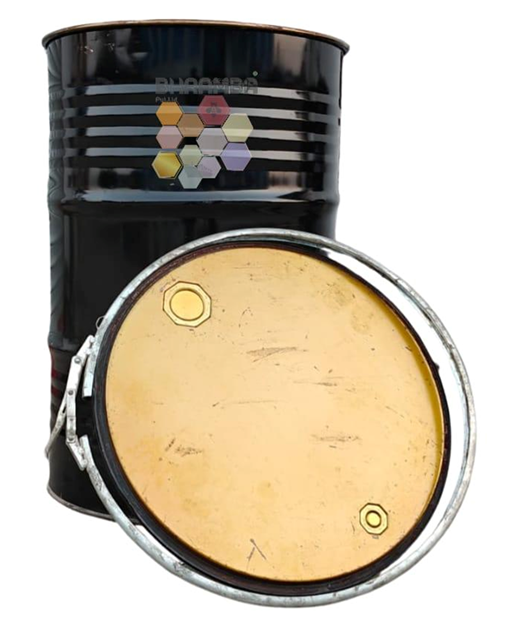
Epoxy-coated drums are widely used in the honey industry, especially for bulk storage and export, because they help protect both the honey and the container.
One of the biggest advantages is food safety. Honey is naturally acidic, and when it comes in direct contact with metal, it can react and cause contamination or affect taste. The epoxy coating acts as a safe barrier, preventing contact with the metal and keeping the honey pure and hygienic.
These drums also help maintain the natural quality of honey. The coating prevents changes in color, flavor, and aroma during long storage periods. This is especially important for exporters, as buyers check parameters like taste, freshness, and HMF levels.
Another benefit is protection from moisture and rust. The epoxy lining is moisture-resistant, which helps avoid fermentation issues and protects the drum from internal corrosion.
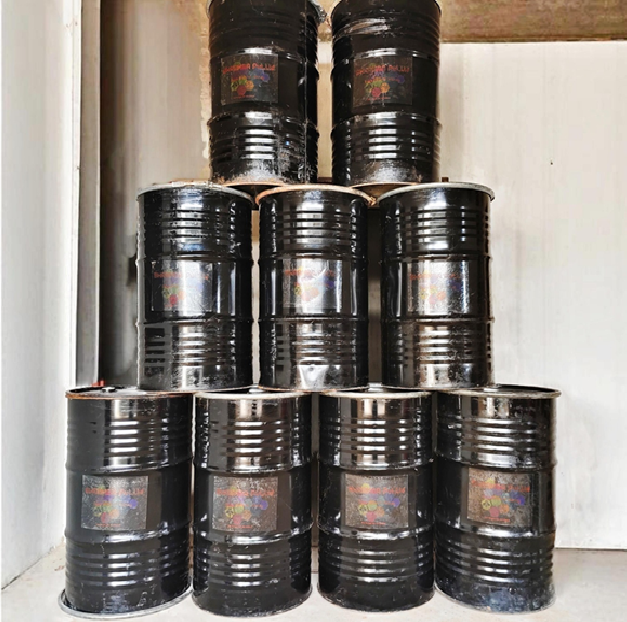
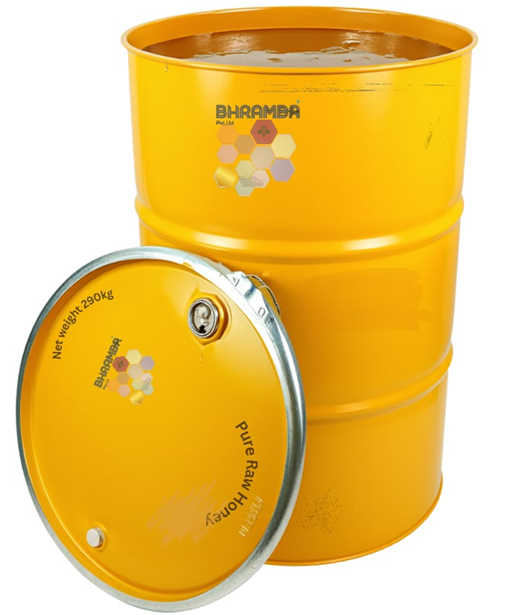
This makes the drums more durable and suitable for long-distance transport, including sea shipments.
Epoxy-coated drums are internationally accepted and commonly preferred by buyers in the USA, Europe, and the Middle East. When food-grade epoxy is used, these drums meet export and food-contact standards.
This makes the drums more durable and suitable for long-distance transport, including sea shipments.
Epoxy-coated drums are internationally accepted and commonly preferred by buyers in the USA, Europe, and the Middle East. When food-grade epoxy is used, these drums meet export and food-contact standards.
Lastly, the smooth inner surface makes the drums easy to clean and reuse, reducing product loss and improving handling efficiency.
Overall, epoxy-coated drums are a safe, reliable, and cost-effective solution for storing and exporting honey while preserving its natural quality.